Ant control in Boise, Idaho
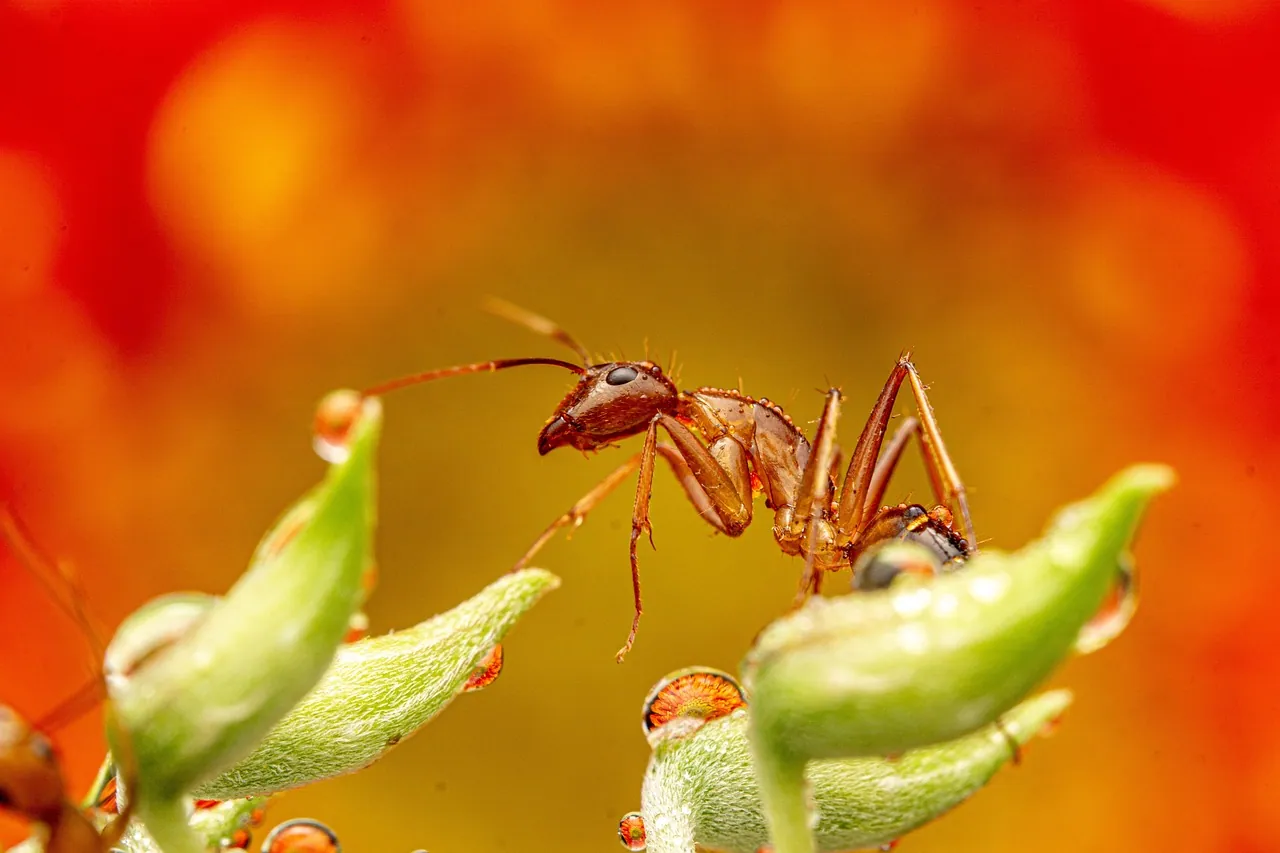
Not all ants are the same problem, and the right fix depends on the species. This page helps you tell Boise's common ants apart, explains why baiting beats spraying, and shows how to get a free quote from a licensed local pro.
The ants Boise homeowners deal with
The first step in ant control is identifying what you have, because the treatment that works on one species can fail, or backfire, on another. In the Treasure Valley, a handful of ants account for most calls. Odorous house ants are the most common indoor nuisance: small, dark brown ants that give off a smell like rotten coconut when you crush one. They love kitchens and moisture and travel in long trails. Pavement ants are similar in size and often nest under driveways, sidewalks and slabs, pushing up small mounds of soil at cracks before foraging indoors.
Carpenter ants are the bigger deal. These are large black ants, and unlike the others they can cause real damage. Carpenter ants do not eat wood, but they chew through it to hollow out galleries for their nest, favoring damp or water-damaged wood in walls, decks and window frames. Left alone, a mature colony can weaken structural wood. Because these three ants call for different approaches, identifying the species is what decides whether treatment succeeds.
Signs of an ant problem
Ants rarely stay hidden for long. Any of these signs is worth a closer look, and an inspection if it persists:
- Trails of ants running along countertops, baseboards or the edges of walls, often leading to a single entry point.
- Ants around sinks, dishwashers and bathrooms, where they gather seeking water as much as food.
- Winged swarmers appearing indoors in spring or summer, a sign that a colony is mature and reproducing nearby.
- Sawdust-like frass or small piles of wood shavings near baseboards, window sills or wood trim, which can point to carpenter ants excavating a nest.
- Small soil mounds at cracks in a driveway, patio or slab, a typical sign of pavement ants nesting underneath.
Carpenter ants or termites? Both damage wood, but they leave different evidence. Carpenter ants excavate clean, smooth galleries and push the debris out as sawdust-like frass, because they do not eat the wood. Termites eat it and leave galleries packed with mud and soil instead. With a large carpenter ant colony you may even hear a faint rustling inside a wall on a quiet night. If you are seeing large black ants indoors year-round, an inspection can confirm which pest and how much wood is affected. Our guide to carpenter ants vs termites in Boise walks through the waist, antenna and wing check side by side.
How professional ant control works
Effective ant control targets the colony and its queen, not just the workers crossing your counter. Boise-area providers combine two things: baiting to eliminate the colony, and treating the nests and entry points that let ants in.
Baiting the colony
This is the key to lasting control. A surface spray kills the workers you can see, but the queen keeps producing replacements, so the trail returns within days. Professional baits work differently: they are slow-acting and designed to be carried back to the nest and shared ant-to-ant, so the active ingredient reaches the queen and the colony collapses from the inside. Baiting takes a little patience, because the trail may look busy at first while workers ferry the bait home, but it solves the problem instead of masking it.
Targeting nests and entry points
Alongside baiting, a technician treats the interior trouble spots and an exterior perimeter band around the foundation to intercept foragers. For carpenter ants there is an extra step: locating the nest, which is often a parent nest in damp wood outdoors plus one or more satellite nests inside. Treating only the trail without finding those nests leaves the colony intact, which is why carpenter ant work starts with an inspection.
Why store-bought sprays can backfire. Repellent sprays from the hardware store do more than fail to reach the queen. With colonies like odorous house ants, a repellent can trigger the colony to split, or bud, into several new colonies scattered around the home, turning one trail into many. That is a big reason a persistent ant problem often gets worse after repeated DIY spraying, and why professionals lean on non-repellent baits instead.
What ant control costs in Boise
A one-time ant treatment in Boise commonly runs about $150 to $350, depending on the size of the home and the extent of the infestation. Many homeowners choose a recurring quarterly plan at roughly $40 to $70 per visit to keep the perimeter protected. Carpenter ant jobs are quoted after an inspection, since the price depends on locating the nest. Your call is free and carries no obligation.
Keeping ants out
Once the colony is gone, a few habits keep ants from coming back. Wipe up crumbs and spills, store sweet and greasy foods in sealed containers, and take out the trash regularly, since food draws foragers indoors. Fix the moisture ants seek: repair drips under sinks, direct sprinkler and roof runoff away from the foundation, and address any damp or water-damaged wood that carpenter ants would nest in. Seal cracks around windows, doors and utility lines, and trim branches touching the house so ants lose their bridge inside. Prevention plus a colony-focused treatment is what keeps ants out for good.
Ant questions from Boise homeowners
How much does ant control cost in Boise?
A one-time ant treatment in Boise commonly runs from about $150 to $350, depending on the size of the home and how widespread the infestation is. Many providers also offer a recurring quarterly plan that typically runs about $40 to $70 per visit and keeps the exterior perimeter protected. Carpenter ant jobs are quoted after an inspection, since the price depends on locating the nest. The call is free and carries no obligation.
Why do I keep getting ants even after spraying?
A surface spray kills the worker ants you can see, but the queen stays hidden in the nest and keeps producing more, so the trail returns in days. With some species, such as odorous house ants, a repellent spray can even make it worse by causing the colony to split, or bud, into several smaller colonies. Professional control uses slow-acting baits that workers carry back and share, which reaches the queen and collapses the colony instead of just thinning the surface.
Are carpenter ants dangerous to my house?
Carpenter ants do not eat wood, but they excavate it to build their nest, and over time those hollowed galleries can weaken structural wood and trim. They work more slowly than termites, so the damage builds gradually rather than all at once, but a large or established colony is still worth treating. Because carpenter ants favor damp or damaged wood, an inspection also flags the moisture problem feeding them.
How do I get rid of ants for good?
Getting rid of ants for good means eliminating the colony, then removing what draws it inside. That combines colony baiting, an interior and exterior perimeter treatment, and prevention: sealing entry points, fixing moisture, and keeping food cleaned up. For carpenter ants it also means finding and treating the nest. A recurring plan keeps the perimeter protected so new colonies do not re-establish.
Ants taking over? Find out what it takes to stop them, free.
Get a no-obligation quote from a licensed Boise-area ant control pro. It takes under a minute.