Spider control in Boise, Idaho
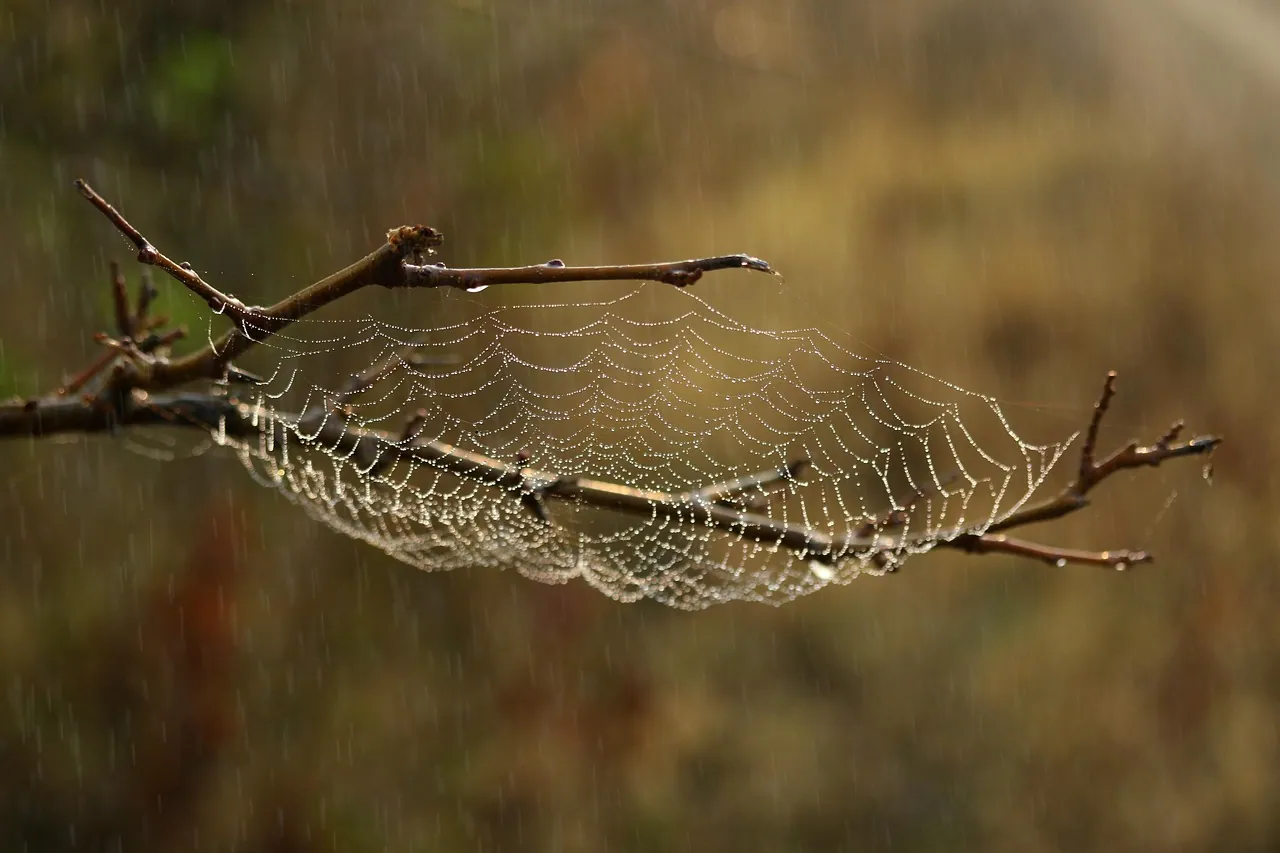
Most spiders in a Boise home are harmless, and a few are worth taking seriously. This page explains which spiders you'll actually see in the Treasure Valley, why treating their food source beats spraying the spiders, what control costs, and how to get a free quote from a licensed local pro.
The spiders you'll see in the Treasure Valley
Here is the honest picture: the large majority of spiders in Boise homes are harmless nuisance species. Common house spiders build tangled webs in ceiling corners, cellar spiders (the long-legged "daddy long-legs" of the basement) hang in garages and crawl spaces, and outdoor orb weavers spin the tidy round webs you walk into on the porch in late summer. None of these will hurt you. They are a nuisance, not a threat, and they are actually eating other insects while they are at it.
Two Treasure Valley spiders are worth knowing. The black widow is a shiny black spider with a red hourglass mark on the underside of its abdomen, and it likes sheltered, undisturbed spots such as woodpiles, garages, sheds and window wells. It is not aggressive, but its bite can cause real symptoms, so it earns respect. The hobo spider is a brown, ground-dwelling spider that builds funnel-shaped webs low to the ground; it was blamed for years for serious bites, but later research has largely overstated that danger, and a bite still warrants sensible care rather than panic. If you are staring at a brown spider and wondering which one it is, our guide on hobo spider vs house spider in Idaho shows the leg check that rules a hobo out.
One myth is worth clearing up directly: the brown recluse is not established in Idaho. Despite how often people fear it, this spider does not have a breeding population here, so a genuine brown recluse encounter in Boise is very unlikely. Being honest about that saves a lot of needless worry. Timing matters as much as identification here, and our guide to Boise spider season sets out which species appear month by month and why indoor sightings spike from mid-July to the first hard frost.
Signs of a spider problem
Spiders are easy to spot once you know where to look. Common signs include:
- Webs in corners, eaves and window wells that keep reappearing after you clear them.
- Egg sacs: small, round, papery or silky pouches tucked into webs, each holding the next generation.
- A noticeable increase in spiders, which usually means there are plenty of other insects around for them to eat.
- Messy, strong webs low in sheltered spots such as garage corners, under decks and inside window wells, which is typical of black widows rather than the neat webs of harmless orb weavers.
When a spider bite needs medical attention. Most spider bites in Boise are minor and heal on their own with basic first aid. The main exception is the black widow: a bite can bring on muscle pain and cramping, sweating and general achiness, sometimes spreading beyond the bite itself. If you have those symptoms after a suspected black widow bite, seek medical care. For ordinary bites, watch the area, clean it and treat it like a minor wound.
How professional spider control works
Effective spider control is less about the spiders and more about the conditions that invite them in. Boise-area providers generally work on two fronts at once.
Treat the food source
This is the key insight most homeowners miss: spiders come for other insects. Flies, moths, gnats and other small bugs are the reason spiders settle and multiply around a home, so controlling that insect population reduces spiders more effectively than spraying the spiders directly. A good treatment plan targets the food supply first, which is why spider control and general insect control usually go together.
Web removal, cracks and perimeter
Alongside the food source, a technician physically knocks down existing webs and egg sacs so the population cannot rebuild, seals cracks and entry points where spiders slip inside, and applies an exterior perimeter treatment focused on the places spiders favor: eaves, window wells and garages. Removing the webbing and closing the gaps keeps the results from bouncing back a week later.
What spider control costs in Boise
A one-time spider service in Boise commonly runs about $150–$350, depending on the size of the home and how heavy the activity is. Many households fold it into a recurring quarterly plan of roughly $40–$70 per visit, which also keeps down the insects that spiders feed on. Your call is free and carries no obligation.
Keeping spiders out
A few habits make a home much less inviting to spiders. Declutter garages, sheds and storage areas, and keep woodpiles stacked away from the house so widows and other spiders lose their favorite hiding spots. Seal gaps around doors, windows, vents and the foundation to cut off entry points. And manage exterior lighting, since bright porch and yard lights draw the insects that spiders eat, which in turn draws the spiders; warmer bulbs, motion lights or fixtures aimed away from doors all help. Handle the bugs and the shelter, and the spiders have far less reason to stay.
Spider questions from Boise homeowners
How much does spider control cost in Boise?
Spider control in Boise commonly runs from about $150 to $350 for a one-time service, depending on the size of the home and how heavy the activity is. Many households fold it into a recurring quarterly plan in the range of roughly $40 to $70 per visit, which also keeps down the insects that spiders feed on. The call is free and carries no obligation.
Are there dangerous spiders in Boise?
The large majority of spiders you see are harmless. The black widow is present in the Treasure Valley and its bite can cause real symptoms, so it deserves respect. The hobo spider is also found here, but the serious bite danger it was once blamed for has been largely overstated. The brown recluse is not established in Idaho, so a bite from one locally is very unlikely.
Why do I suddenly have so many spiders?
Spiders follow their food. A sudden increase almost always means there are plenty of other insects in and around the home for them to eat, so a spider surge is usually a sign of an underlying insect problem. Controlling those insects reduces the spiders more reliably than going after the spiders alone.
Does spider spray actually work?
Spraying spiders directly has limited results, since spiders keep much of their body off treated surfaces and move to new spots. What works is treating the insects they feed on, removing webs and egg sacs, and applying an exterior perimeter treatment around eaves, window wells and garages. Together those steps cut spider activity far more than spray aimed at the spiders themselves.
Too many spiders? Find out what it costs for free.
Get a no-obligation quote from a licensed Boise-area spider control pro. It takes under a minute.