Boise spider season: which spiders show up and when
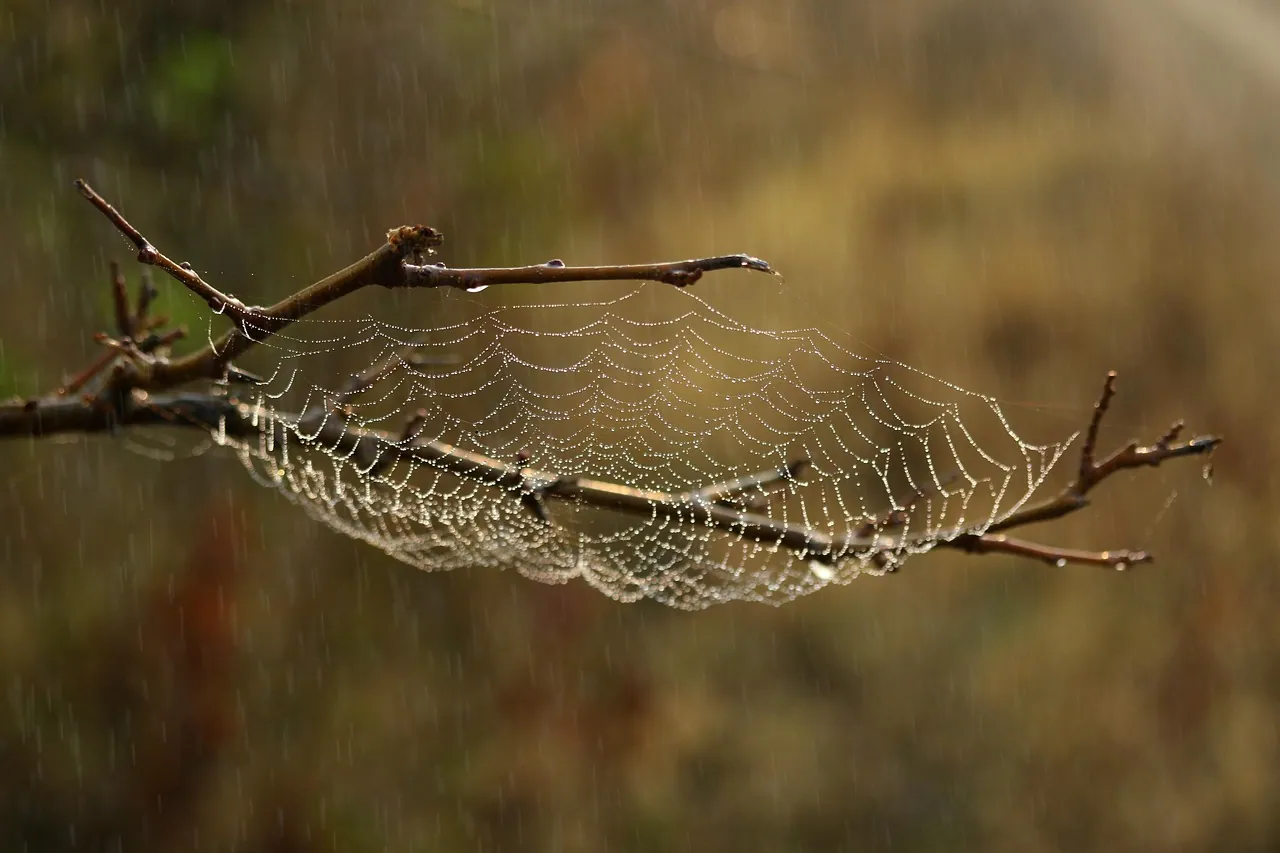
Spider sightings in Boise homes climb from mid-July and stop at the first killing frost. That fast spider crossing your basement floor in August is almost always a male out looking for a mate, not a sign that something moved in and started breeding. Here is the Treasure Valley calendar, the two species worth real care, and the point where the job stops being yours.
In this guide
The Boise spider calendar, month by month
Boise spider season peaks from mid-July to the first hard frost, and the reason is romance rather than invasion. University of Idaho Extension bulletin BUL 871 states that people notice hobo spiders as lone specimens running across ground-level floors from mid-July through the first killing frost, and that these are mature males wandering in from outdoor webs to find females. Your house is not the destination. It is a wrong turn.
| Season | What you see in the Treasure Valley | What it means |
|---|---|---|
| March to May | Egg sacs hatch outdoors, tiny spiderlings on fences and shrubs, very little indoors | Quiet months. Best time to seal the house before anything is walking |
| June to mid-July | Webs reappear under eaves and in rock gardens, black widow webs start building in garages and woodpiles | Populations growing outdoors, indoor sightings still rare |
| Mid-July to September | Single fast spiders running across basement, garage and ground-floor rooms, usually at night | Peak indoor season. Wandering mature males per University of Idaho Extension BUL 871 |
| September to October | Large orb webs across porches, gates and between shrubs, the spiders noticeably fat | Orb weavers at full size and carrying eggs. Harmless, and gone with the freeze |
| First killing frost onward | Wandering stops outdoors, sightings drop sharply | Whatever got inside before the freeze is still inside |
| November to February | Cellar spiders in crawl spaces, the occasional widow in a heated garage | Winter sightings mean an indoor population with an indoor food supply |
Which spiders actually show up in Treasure Valley houses
Most spiders in a Boise home are harmless. University of Idaho Extension's 2025 arachnid guide, BUL 1094 by Chris A. Hamilton, names the black widow as the only Idaho spider medically important to humans, and BUL 871 adds that no human deaths from spider bites have been reported in the state. Funnel-web weavers, the hobo among them, spin flat sheets with a tube retreat in rock gardens and basement corners. Cellar spiders, the flimsy long-legged ones in the crawl space, have jaws too weak to bite a person. Wolf spiders are big, fast and pure bluff. Cat-faced orb weavers are harmless with low-toxicity venom, per Washington State University's Department of Entomology.
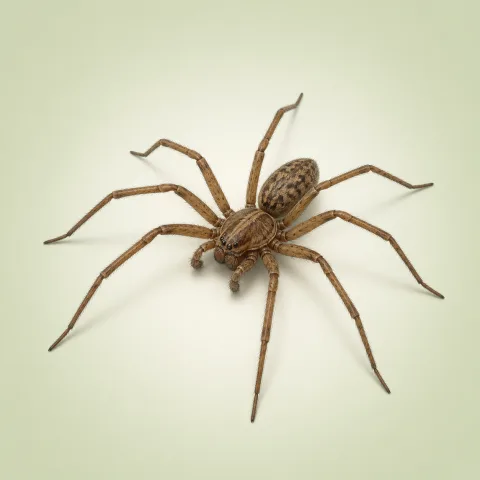
Two pieces of local housekeeping. The brown recluse does not live here. BUL 871 says so flatly, and notes that about 70 recluse bites were reported in one year to poison control centers across Idaho, Oregon and Washington, with the nearest populations hundreds of miles away. The hobo's reputation has shrunk too: scientists disagree, University of Idaho treats the bite as a threat until proven otherwise, and the same bulletin notes hobos live all over Europe without generating injury reports. Quick field check: banded or striped legs rule out a hobo, whose legs are uniformly tan. Our guide to telling a hobo spider from a house spider walks through that check and why only a microscope confirms one.
What a season of ignoring them can cost you
The real risk in a Boise spider season is the western black widow in the corner nobody looks at. BUL 871 places widows statewide but most common in the southern third of Idaho, which is exactly here, and lists their addresses: dark corners of garages, sheds, utility rooms and crawl spaces, plus woodpiles. One female can live a year and produce up to 20 egg sacs, each holding several hundred eggs.
So picture October in your garage. The tote of Christmas lights has sat untouched since January in the dark gap behind the shelving, and you have walked past it two hundred times. In that gap is a tangle you would not call a web, a glossy black spider with a red hourglass hanging upside down in it, two pea-sized egg sacs beside her. The first cold weekend you send your kid out for the lights. She reaches in past the elbow, blind, and presses her forearm against the spider. BUL 871 describes the rest: the bite feels like a bee sting, then within an hour intense pain spreads up the arm to the shoulder, the chest tightens, the abdomen cramps, breathing gets hard. Small children and the elderly are at greatest risk, and the bulletin says a widow bite means immediate medical attention. Nobody in Idaho has died of a spider bite. That is thin comfort at 9 pm in an emergency room.
The quieter cost is what the spiders are telling you. University of Idaho Extension is direct that spiders are predators and cannot establish indoors unless plenty of small insects are already there. When a Treasure Valley homeowner says the spiders exploded this year, the thing they have not found is what is feeding them, often box elder bugs in the wall voids.
DIY that works, in order of payoff
Spider control in Boise is mostly carpentry and housekeeping, not chemistry, and these steps follow the order University of Idaho Extension recommends.
- Kill the buffet. Stop leaving porch lights on all night. Lights pull in flying insects and web spinners follow, which is why BUL 871 notes orb weavers build right under eave lights.
- Take away the hiding places. Landscape rock, timbers and coarse bark mulch along the foundation shelter ground hunters, and Extension suggests finer material with no crevices. Trim anything touching the siding, clear window wells, move the woodpile off the wall.
- Seal the building. Weather-strip and caulk doors, windows and utility entries, fill cracks in siding and foundation. This also blocks the insects they are chasing, which is the part that keeps paying.
- Run sticky traps from late July. Cheap, unglamorous, the best indoor tool there is. Extension calls them especially useful from late summer to the first freeze, placed along walls and behind furniture.
- Vacuum webs and egg sacs. Empty the canister into a zip-top bag so survivors cannot climb out. One egg sac removed in October is several hundred spiders you never meet in May.
- Glove up for the dirty jobs. Firewood, dense plantings, anything under the house. Most widow bites happen when somebody presses the spider against skin.
- Save the foundation spray for last. Extension describes a 1 to 2 foot band on the soil plus 2 feet up the wall, good for roughly 10 to 14 days. Do not blanket the yard, since broad sprays take out pollinators too.

When DIY is not enough: five signs
A Boise spider problem crosses into professional territory when identification, access or another pest is the real issue:
- A widow with egg sacs in a space the family uses. Killing one spider does not solve a web holding several hundred eggs.
- New spiders weeks after the first hard freeze. Wandering season is over, so winter sightings mean an indoor population with an indoor food supply.
- The count jumped and you cannot find what they are eating. The hidden insect infestation is the actual job, and a good technician chases the source, not the symptom.
- The webs are somewhere you should not be. Second-story eaves, soffits, a tight crawl space. Ladders injure more Idaho homeowners every year than spiders do.
- Someone was bitten and reacted, or a higher-risk family member sleeps near the activity. That deserves an identification, not a guess.
If one of those describes your house, the next step is a phone call rather than another can of spray. Call (208) 999-4091 and we connect you with a licensed local provider serving Boise, Meridian, Nampa and the rest of the Treasure Valley, who gives you a price on the call with no obligation. Same-day and 24/7 emergency services are subject to provider participation, location, technician availability, and demand. Availability is not guaranteed and may vary by market and appointment capacity. For a widow in an active part of the house, our emergency pest control page covers how fast that usually moves.
What a professional spider visit involves and typically costs
A professional spider visit in Boise is an inspection, a de-webbing and an exterior perimeter treatment, in that order. The technician walks the foundation, eaves, window wells and garage, identifies what is present instead of guessing from color, clears webs and egg sacs, and names the pest underneath. Our spider control page for Boise covers that visit in more detail.
Read every figure as a typical market range and not a quote, since only the provider who sees your house can price the work. One-time spider service in the Treasure Valley commonly lands around $150 to $350, and many households fold it into a quarterly plan of roughly $40 to $70 per visit. Our Boise pest control cost guide compares those numbers with other pests.
The good news is real: spiders are one of the easier Boise pest problems to win. They are not chewing your studs or getting into the pantry, and the hour of caulking that removes them handles half of what else wants inside. Do the outside work in summer, put a trap behind the couch in July, glove up at the woodpile, and spider season goes back to being something that happens to the neighbors.
Spider season questions from Boise homeowners
When is spider season in Boise?
Indoor spider sightings in Boise climb from mid-July and stop at the first killing fall frost. University of Idaho Extension bulletin BUL 871 explains why: the spiders people find running across ground-level floors in late summer are mature males that wandered in from outdoor webs looking for mates, not a colony that moved in. Outdoors the show peaks a little later, in September and October, when orb weavers reach full size and hang webs across porches and gates.
Are the big spiders on my Boise porch in September dangerous?
Almost certainly not. The heavy-bodied spider sitting in a wheel-shaped web by the porch light in September is usually a cat-faced orb weaver, Araneus gemmoides, which Washington State University's Department of Entomology describes as harmless with low-toxicity venom. It looks alarming because it is fat with eggs. Orb weavers do not hunt indoors, they do not chase people, and they die off with the first hard freeze.
Are there brown recluse spiders in Boise?
No. University of Idaho Extension states plainly that the brown recluse does not occur in Idaho, and notes that in one year roughly 70 brown recluse bites were reported to poison control centers in Idaho, Oregon and Washington even though the nearest established populations are hundreds to thousands of miles away. A recluse can ride in inside a moving box from the Midwest, but it does not establish here. Bring a suspect specimen in alcohol to a University of Idaho Extension office rather than guessing.
Why do I suddenly have so many spiders in my house?
Because something is feeding them. University of Idaho Extension puts it bluntly: spiders are predators, and no spider can establish inside a residence unless substantial numbers of small insects are there too. A spider surge in a Boise home usually points at an insect problem you have not found yet, often box elder bugs in the wall voids, gnats around a damp crawl space, or moths drawn to a porch light left on all night. Fix the food supply and the spiders leave on their own.
Found a widow in the garage? Get it identified and handled.
Get a free, no-obligation quote from a licensed Boise-area pest control pro. It takes under a minute.