Box elder bugs in Boise: why they swarm and how to stop them

Box elder bugs are the half-inch black bugs with red pinstripes that turn the sunny side of your Boise house into a moving carpet every October. They do not bite, sting, breed indoors or eat anything in your house. They do stain your curtains, stink when crushed, and walk in through the same gaps mice and spiders use. This guide covers why they pick your wall, what you can do yourself, and the point where a licensed local pro is the smarter call.
In this guide
What box elder bugs are and why they are on your wall
Box elder bugs are true bugs, about half an inch long, slate gray to black with reddish orange lines behind the head and along the body, and they spend the summer sucking sap from the seeds of maples and boxelder trees. The species you are looking at in the Treasure Valley is the western boxelder bug, Boisea rubrolineata, according to University of Idaho Extension bulletin CIS 1155, and its preferred host is the maple. Every maple produces seeds, which means every maple on your street is a nursery.
The wall part is about winter. When leaves start dropping, box elder bugs leave the trees and gather on warm, sunny surfaces to soak up heat before looking for a dry place to hibernate. Idaho Extension describes masses numbering in the thousands on the south and west walls of homes in early fall, with the big push coming on warm October days right after the first frost. Your light-colored siding, garage door and window trim are just the best sunbathing spots on the block.
What a winter of ignoring them actually looks like
Ignoring box elder bugs does not damage your house, and I want to say that plainly before painting the picture, because the picture is still worth avoiding. It is a warm afternoon in mid-October, the first frost hit two nights ago, and the south wall is alive. You go out with the hose, blast a few hundred off the siding, and feel good about it. What you did not see is the steady line filing under the patio door track, into the seam where siding meets foundation, and through the unscreened attic vent twenty feet up. Then the cold comes, they go still, and you forget them.
Picture the first warm week of February. Sun hits the roof, the attic climbs above freezing, and a few dozen early risers wake up and head for the light, down through the can-light trim and the gap behind your bedroom window casing. You find them on the white curtains, on the pillowcase, one crossing the bathroom mirror at 6 am. Where they walk they leave rust-brown specks, and Idaho Extension confirms those liquid droppings stain fabric. You crush one on the sheets out of reflex and the smell explains why the bulletin mentions it. Repeat every sunny day until April, when the survivors fly back to the neighbor's maple, lay several hundred eggs each, and raise two generations in a southern Idaho summer before returning in September with reinforcements.
None of that hurts the structure. It hurts living in it. And the gaps they used are not private: Idaho Extension points out that the same caulking and screening that keeps box elder bugs out also keeps out spiders and other home invaders, and in this valley that list includes house mice, which do real damage to wiring and pantry shelves. If you are already hearing something in the walls, read our guide to the signs of mice in a Boise home, because the bugs may be the least of what came in.

Why Boise gets hit harder than most of Idaho
Boise gets box elder bugs in bulk because it has the trees, the sun and the frost timing all in one place. The mature maples of the North End and the Bench, the boxelders growing wild along the river, and the young maples in every new Meridian and Nampa subdivision all feed the summer generation. Montana State University's urban IPM fact sheet notes populations run higher after hot, dry summers, which describes most Boise summers. Then October delivers a hard frost followed by sunny 60-degree afternoons, exactly the signal Idaho Extension identifies for the mass move off the trees.
South-facing walls take the brunt, west-facing walls come second, and shaded north sides stay nearly clean. If your neighbor across the street has none and you have thousands, it is not luck. It is your exposure. Nampa's older north side sees the same pattern behind original wood siding, which is why our Nampa pest control page calls box elder bugs out by name.
DIY steps that genuinely work, by season
DIY control of box elder bugs works when you match the step to the season, and the most effective work happens in summer before you see a single bug. Do the sealing while it is warm and the caulk cures. Save the spraying for fall. Idaho Extension is blunt that spraying the whole yard is neither necessary nor wise, so keep the chemistry to the foundation and the entry points.
| When | What to do | Why it works |
|---|---|---|
| Early spring | Rake and bag fallen maple and boxelder seeds under host trees | The first batch of nymphs survives on last year's seeds on the ground before trees set new ones |
| June to August | Caulk window frames, weather-strip doors, fix sliding patio door gaps, repair screens, put fine mesh over attic and eave vents | Exclusion is the only step that lasts more than a couple of weeks, and it also blocks spiders and mice |
| Late August to October | Spray a 3-foot band of a labeled outdoor barrier insecticide on the soil and 2 to 3 feet up the south and west foundation, plus around doors, windows and utility entries | Bugs pick up a lethal dose crossing the dried residue; one application lasts roughly 10 to 14 days per Idaho Extension |
| Sunny fall afternoons | Hose them off the wall, or spray soapy water at 3 to 5 tablespoons of dish detergent per gallon | Knocks down what is on the wall right now; NDSU Extension notes soap kills on contact and leaves no residue |
| Indoors, any time | Shop-vac them up and empty the canister into a sealed bag outside. Do not crush them | No stains, no smell, and the survivors cannot crawl back out of the vacuum |
One more option, with a caveat. If a female, seed-bearing boxelder is standing in your own yard, taking it out reduces the pressure. Idaho Extension is careful to say reduces, not ends, because adult box elder bugs are strong fliers and will happily commute from trees hundreds of yards away. Do not cut down a tree you love over this.
When DIY is not enough: five signs
Box elder bugs cross from DIY project to professional job when the numbers, the building or the calendar outrun what a hose and a caulk gun can reach. Any one of these five is a fair reason to stop fighting it alone:
- You are finding them indoors in January or February. That means the attic and wall voids are already stocked. Nothing you spray inside fixes it, and the real work is a full exterior exclusion before next fall.
- The wall is covered, not dotted. A store-bought barrier burns off in 10 to 14 days while the migration runs six weeks. Keeping up means repeated applications you probably will not make.
- The entry points are twenty feet up. Two-story homes, soffit gaps and attic vents need a ladder, the right mesh and someone comfortable working up there. Many homeowners are not, and they should not be.
- The source is not your tree. When the maples belong to the neighbor, the school or the city, the pressure is permanent and a seasonal exterior plan beats a yearly panic.
- You have done the routine two falls running and it made no dent. At that point the gaps you cannot find are the problem, and finding them is the professional's whole skill.
If that list sounds like your house, the sensible next step is a phone call, not another trip to the hardware store. Call (208) 999-4091 and we connect you with a licensed local provider who serves Boise and the Treasure Valley, hears your situation, and gives you a price on the call with no obligation. Same-day and 24/7 emergency services are subject to provider participation, location, technician availability, and demand. Availability is not guaranteed and may vary by market and appointment capacity.
What a professional treatment involves and typically costs
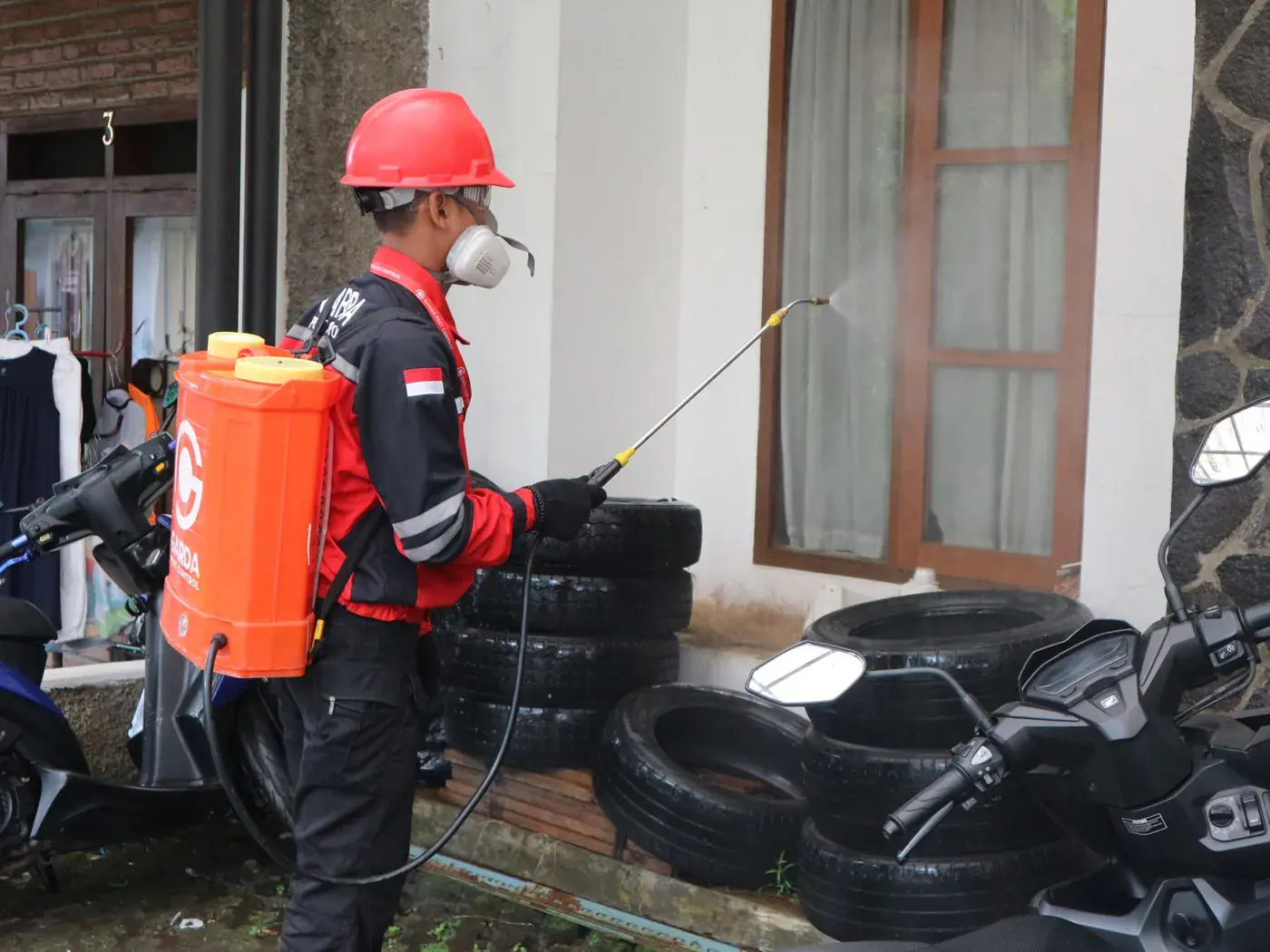
Professional box elder bug treatment is an exterior barrier application timed for late August through October, applied with equipment that reaches soffits, vents and upper-story trim. A good provider walks the south and west sides first, points out the seams and vents the bugs are using, and treats those along with the foundation band. Homes under heavy tree pressure sometimes go on a fall-and-spring schedule. A house with one problem wall usually needs a single well-timed visit.
On price, treat every number as a typical market range, not a quote. Our Boise pest control cost guide lists the range HomeGuide reports for a one-time general pest visit, and box elder bug work generally falls inside that band, with the final figure set by the provider after seeing the house. Our spider control page covers what that same visit does for the spiders using your gaps.
The reassuring part: this is one of the more solvable pest problems in Boise. Seal the house in summer, treat the sunny walls in fall, and the February parade of bugs on the bedroom curtains simply stops. You keep the maples. You keep the view. You just stop sharing the attic.