Termite control in Boise, Idaho
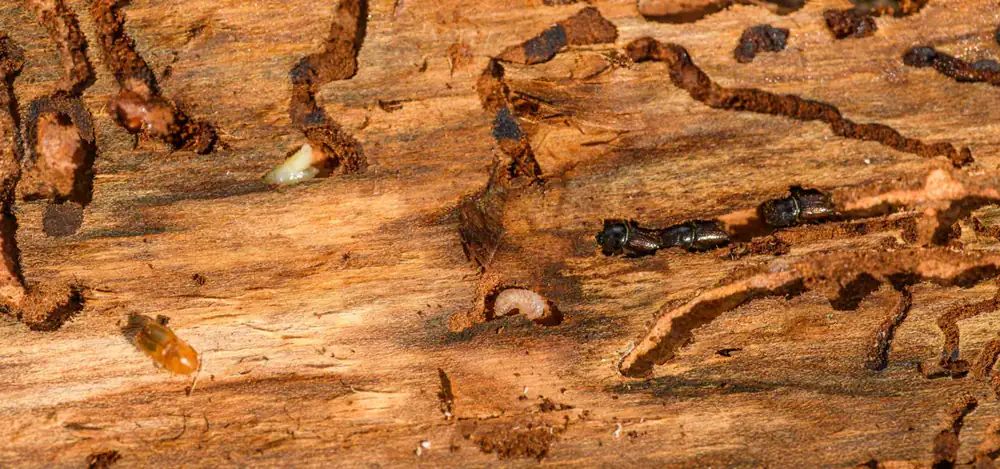
Subterranean termites damage Treasure Valley homes quietly, from the ground up. This page explains how to spot them early, what professional treatment involves, and how to get a free quote from a licensed Boise-area pro.
Do Boise homes really get termites?
Yes. Subterranean termites live throughout the Treasure Valley, from older neighborhoods in the Boise Bench to newer builds in Meridian and Nampa. Idaho's dry climate makes them slower and less destructive than the termites of the humid South, but irrigated lawns, sprinkler overspray and wood-to-soil contact give them exactly the moisture they need. Because they travel underground and eat wood from the inside out, most homeowners never see the insects, they see the damage, often during a remodel or a home sale inspection.
Warning signs of termites in your home
Termites leave subtle clues before they cause serious harm. Any one of these is worth a professional inspection:
- Mud tubes, pencil-width tunnels of soil running up a foundation wall, pier or crawl-space joist. This is the clearest sign of subterranean termites.
- Discarded wings, small piles of equal-length wings on windowsills or near light sources in spring, left behind after a swarm.
- Hollow-sounding wood, trim, door frames or subfloor that sounds papery when tapped, because the termites have eaten the inside.
- Blistered or sagging floors and paint that look like water damage but have no leak behind them.
- Tight-fitting doors and windows as damaged wood swells and warps.
Termite or flying ant? It is easy to confuse a termite swarmer with a flying ant. Termites have straight antennae, a thick waist and four equal-length wings. Ants have bent antennae, a pinched waist and front wings longer than the back. If you find winged insects indoors in spring, save a few in a bag, it helps the inspector identify the problem fast. For a full side-by-side, see our guide on how to tell carpenter ants from termites in Boise.
How professional termite treatment works
Effective termite control targets the colony, not just the insects you can see. Boise-area providers generally use one of two proven approaches, sometimes together:
Liquid soil treatment (barrier)
A licensed technician applies a liquid termiticide in a continuous zone around and under the foundation. Modern non-repellent products work because termites cannot detect them: they pass through the treated soil, pick up the active ingredient and carry it back to the colony. This creates a protective barrier that both eliminates existing termites and blocks new ones from entering.
Bait stations
In-ground stations are placed around the home's perimeter and monitored over time. Foraging termites feed on the bait and share it colony-wide, slowly collapsing the colony. Bait systems are less disruptive to install and are usually run as an ongoing annual program with periodic checks.
Which method fits your home depends on the foundation, the soil and how established the colony is, that is exactly what the inspection determines before any price is set.
What termite treatment costs in Boise
A liquid barrier treatment for an average home commonly runs about $800–$2,500, depending on size, foundation type and severity. Bait-station systems are typically billed as an annual program. Every reputable provider quotes only after an inspection, and your call is free and carries no obligation.
Why acting early pays off
Termites are slow, which is good and bad. The good news is that finding them early usually means a straightforward treatment. The bad news is that "slow" lets damage accumulate unseen for years, and structural repairs cost far more than the treatment itself. If you have noticed any of the signs above, or you are buying or selling a Treasure Valley home, a professional inspection is the cheapest insurance you can buy, and getting a quote costs nothing.
Termite questions from Boise homeowners
Are termites common in Boise, Idaho?
Subterranean termites are present across the Treasure Valley, including Boise, Meridian and Nampa. They are less aggressive than termites in the humid Southeast, but Idaho's irrigated lawns and older homes give them the moisture and wood contact they need. Because they work out of sight, many homeowners only discover them during an inspection or a repair project.
How much does termite treatment cost in Boise?
It is quoted after an inspection because price depends on your home's size, foundation and how far the colony has spread. As a general guide, a liquid soil treatment for an average Boise home commonly runs from about $800 to $2,500, while bait systems are usually billed as an annual program. The call is free and carries no obligation.
Can I treat termites myself?
Over-the-counter products can kill the termites you see, but they rarely reach the colony that keeps producing them, and they do not create the continuous barrier that protects a foundation. The professional goal is eliminating the colony and preventing re-entry, not just killing surface insects.
How do I tell termites from flying ants?
Termite swarmers have straight antennae, a thick waist and four equal-length wings; flying ants have bent antennae, a pinched waist and longer front wings. Discarded wings on a sill, mud tubes on the foundation and hollow-sounding wood all point to termites. An inspection settles any doubt.
Think you have termites? Find out for free.
Get a no-obligation quote from a licensed Boise-area termite pro. It takes under a minute.